Why does garage door insulation matter more than most homeowners realize? Insulated garage doors aren’t just about looks; they can dramatically improve energy efficiency, durability, and overall comfort in your home.
For homeowners in East Greenville and throughout Montgomery, Berks, Bucks, Chester, Delaware, Lehigh, and Northampton counties, choosing the right garage door can mean lower energy bills, stronger protection against the elements, and a stylish upgrade that boosts curb appeal. If you’re weighing whether it’s time for an upgrade, our guide on Top Reasons to Replace Your Garage Door highlights the key signs and benefits to look out for.
In this guide, we’ll review the top insulated garage door types, explain how they’re built, and help you choose the right material, features, and design options for your home.
Top Insulated Garage Door Types
Steel Insulated Garage Doors

- Pros: durable, low-maintenance, strong security, good energy efficiency.
- Cons: prone to dents, less natural beauty.
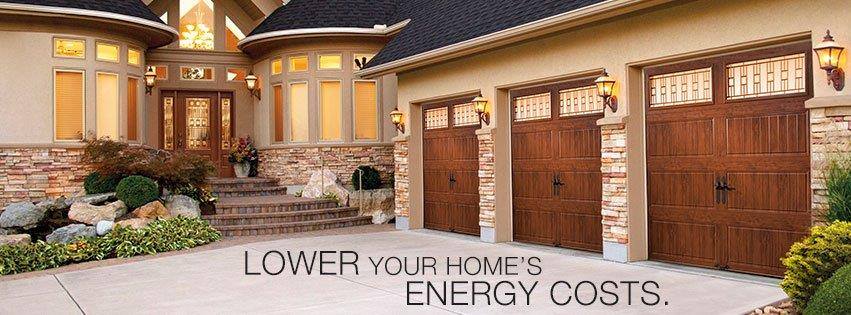
Wood Composite Insulated Garage Doors
- Pros: timeless look, modern insulation, customizable design options.
- Cons: more upkeep, higher replacement cost than steel.
Aluminum & Glass Insulated Garage Doors
- Pros: sleek, modern, allows natural light, great for making a statement.
- Cons: lower R-value, less privacy, not as durable.
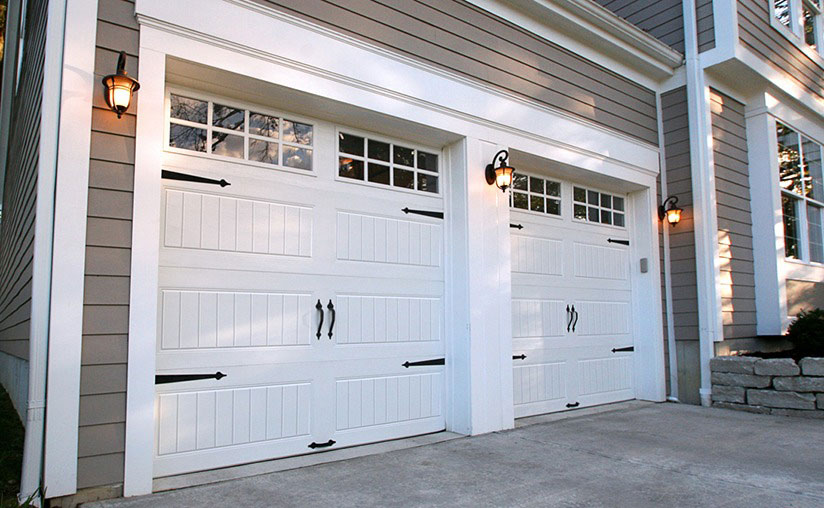
Carriage Style Insulated Garage Doors
- Pros: classic beauty, solid thermal efficiency, high value in curb appeal.
- Cons: more expensive, certain models require extra access space.
Choosing the right insulated garage door depends on your style, budget, and maintenance preferences. If you’d like more guidance before making a decision, check out Things to Know Before Buying a New Garage Door for practical tips.
What Makes an Insulated Garage Door Different?
Single-Layer vs. Double-Layer vs. Triple-Layer
- Single-layer: thin, no insulation, least durable.
- Double-layer: insulation sandwiched between material layers.
- Triple-layer: thickest insulation, strongest performance, highest value.
R-Value Explained
The R-value shows how well a garage door insulates: the higher the number, the better. Most insulated doors range from R-6 to R-19:
- R-6 to R-9 → Basic insulation
- R-10 to R-12 → Good for PA climates
- R-13 to R-19 → Best for garages used as living/work spaces
Insulation Materials
- Polystyrene: cost-effective, lightweight, moderate performance.
- Polyurethane: stronger strength, higher R-value, better durability.
Design and Material Options

Insulated garage doors are designed with both performance and style in mind. Here are some options to consider:
- Colors – Choose from classic white, modern dark bronze, or other finishes to match the look of your home or business.
- Materials – Options like fiberglass for low-maintenance durability, or heavy-duty steel for a higher level of protection.
- Fire-rated doors – An added layer of safety, especially important for commercial garage door installations.
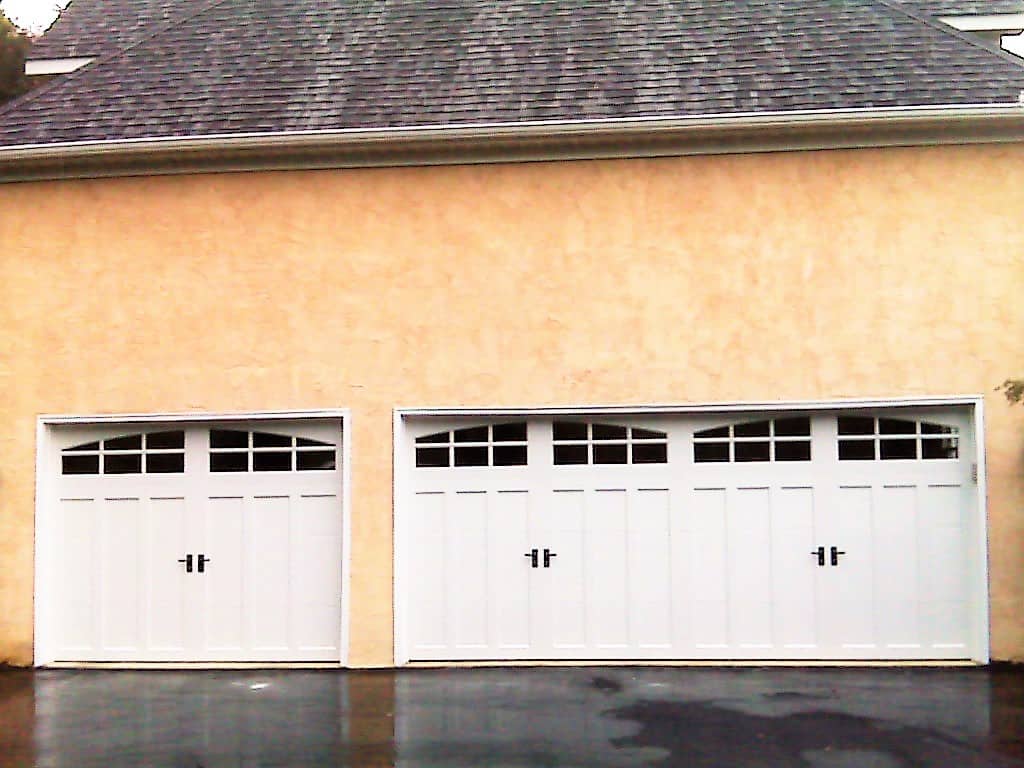
- Style & design – Sleek panels and windows can elevate curb appeal while still being energy-efficient.
Finding the right design means balancing looks, safety, and performance. In addition, a well-matched door doesn’t just make you happy with how it blends in; it also boosts long-term value.
Benefits of Insulated Garage Doors
Improved Energy Efficiency
Insulated doors help regulate garage temperature, reducing heat transfer and lowering the workload on your home’s HVAC system. This means less wasted energy and a more sustainable home.
Lower Energy Bills
The U.S. Department of Energy notes that proper insulation can cut heating and cooling costs by 10–15%. Insulated garage doors help achieve these savings by reducing heat loss at one of your home’s largest entry points.
Better Comfort

An insulated garage stays comfortable, making it usable as a workshop, gym, or storage space—even during extreme weather.
Noise Reduction
Insulated doors block outside noise, creating a quieter living place.
Enhanced Durability
A heavier, durable insulated door resists dents and damage better than single-layer models, extending its longevity.
Why Professional Garage Door Installation Matters
- Proper seals help reduce drafts and heat loss.
- Professional work ensures long-term performance and safety.
- Avoids common DIY issues like misalignment or voided warranties.
- Certified installers follow safety and compliance standards.
Valley Lock & Door – Local Experts You Can Rely On
Located in East Greenville, Valley Lock & Door has years of experience serving Montgomery, Berks, Bucks, Chester, Delaware, Lehigh, and Northampton counties.
We handle garage door installation, replacement, and repair for both residential and commercial properties, along with openers, entry and storm doors, and locksmith services.
Fully insured, licensed, and Lead-Safe Renovation certified, we focus on reliable work and personal service, backed by references available upon request.
Take the Next Step: Upgrade Your Garage Door
Upgrading to insulated garage doors is one of the smartest moves for Pennsylvania homeowners. Beyond looks, they can lower energy bills, improve energy efficiency, boost durability, and enhance curb appeal. Whether you want the strength of steel, the warmth of wood, or the sleek finish of glass, the right door delivers comfort and long-term value.
Looking for a garage door that saves energy and lasts for years?
Call Valley Lock & Door today to schedule a free consultation and discover the insulated garage door that’s built for your home.
Frequently Asked Questions About Insulated Garage Doors
What is the average price of an insulated garage door?
The price depends on the material, insulation level, and design features. A basic steel door will usually cost less than a custom wood or glass option. Many companies also offer sale promotions, which can make upgrading more affordable.
Is it worth the extra money for an insulated garage door?
Yes. An insulated garage door helps lower energy bills, improves comfort, and increases durability. For homeowners and business properties alike, the added value often outweighs the higher upfront cost.
What type of garage door is the most insulated?
Steel garage doors with polyurethane foam cores provide some of the highest R-values, offering excellent thermal performance. In addition to steel, certain fiberglass options can also deliver strong insulation while offering a range of colors such as white or dark bronze.
How do insulated garage doors save on energy bills?
They prevent unnecessary heat loss in the winter and block excess heat in the summer. This reduces the workload on your HVAC system, helping to cut energy costs over time. For many homeowners, this is the benefit that finally makes the investment worthwhile.
What is the ideal R-value for my garage door?
In Pennsylvania, an R-value of R-10 to R-12 is usually good for attached garages, while R-13 and higher is better if you use the garage as a living or work space. Fire-rated doors are also available for added safety, which can be especially important for business or multi-use buildings.
Should I hire a professional for installation?
Yes. A professional ensures the door is sealed properly and installed for maximum performance. This prevents gaps, reduces the risk of drafts, and ensures that the insulation and safety features work as intended.