
Every locked-out garage door problem comes down to one of two causes: something mechanical failed, or the lock did its job too well. The remote isn’t working, the power’s out, or the key won’t turn. Your car, or whatever vehicle you need next, is stuck inside.
Valley Lock & Door handles both sides of this problem: garage doors and the locks on them. This guide walks through your options in order, from easiest to most invasive, and tells you plainly when a professional repair call to (267) 923-5759 gets you back in faster than continuing to fight it yourself. Some of this is a five-minute fix once you know how to manually open the door yourself, and other parts need a professional. We’ll say clearly which is which.
First, why won’t it open?
Automatic garage doors rely on an electric opener to do the lifting, so when any part of that system fails, you’re locked out just the same as if the lock had jammed. Most garage doors run into one of these problems:
- A power outage, which shuts down the garage door opener’s motor entirely
- A dead remote battery or a garage keypad that’s stopped responding
- A mechanical failure in the opener’s motor or logic board, which tells the motor what to do
- A lost or snapped key in the T-handle, the exterior handle that locks the door from outside
- A T-handle cylinder seized by corrosion, which locks up completely within a few winters if untreated
- A broken or stretched release cable inside the T-handle assembly
- An interior slide lock was engaged by accident while the opener was still connected
A dead battery takes five minutes to fix. A seized T-handle cylinder calls for a locksmith. If the door is unlocked and the opener runs but the door still won’t budge, that’s a different problem worth checking on its own, since it points to a track or spring issue rather than a lockout.
How to open a garage door manually from outside
Work through these options in order, starting with the least invasive. Every automatic opener includes a way to switch to manual operation for exactly this reason.
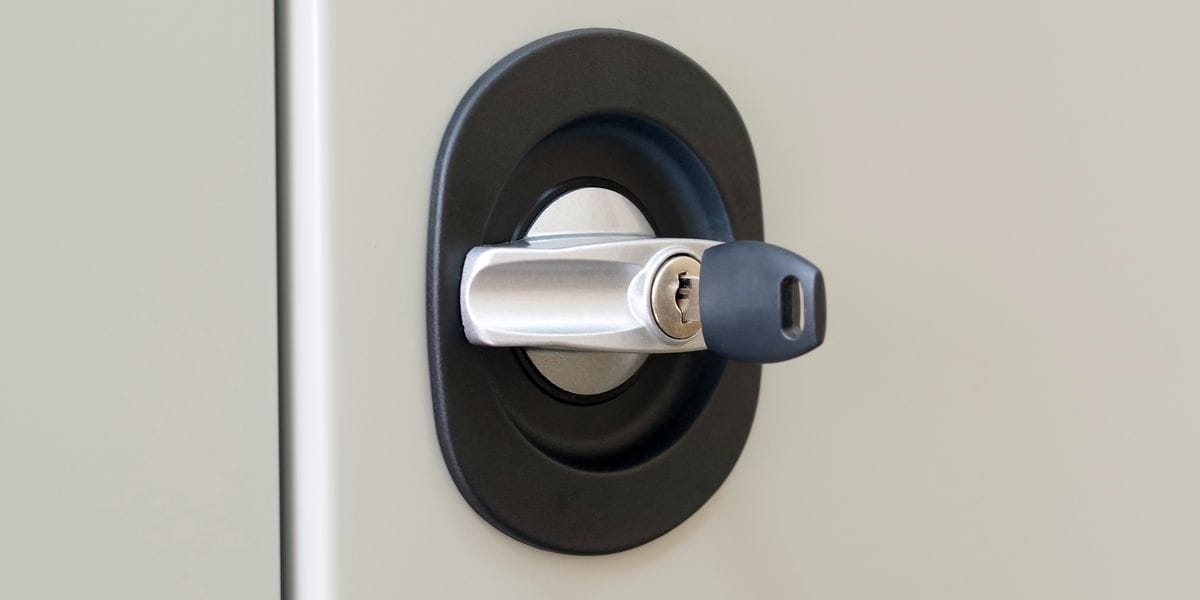
If your garage already has an exterior emergency key release kit installed (a small keyed cylinder set through the door face), this is the easy case. Insert the key, turn it, and pull the cylinder toward you. That motion trips the release and disengages the trolley, so the door lifts manually.
How Do I Use the Manual Release to Lift the Door?
If there’s a pedestrian side door or an interior door from the house, use it. Go in, confirm the garage door is in the closed position, and pull the red emergency release cord straight down. This disengages the trolley from the opener, and the door is operated manually from there.
Lift slowly and let something solid prop the door open before you let go, especially if you’re not sure the springs are still doing their job. Pulling the cord while the door is partway open is dangerous. That transfers the door’s full weight onto the springs holding it up, and a weak or damaged spring lets the door drop hard enough to cause serious injury.
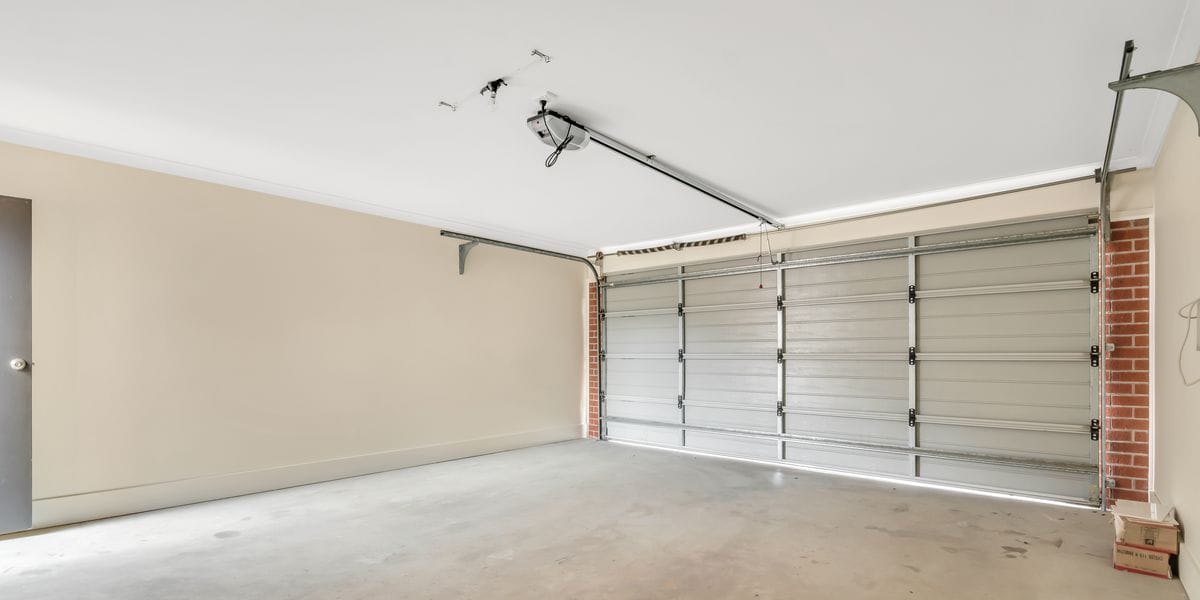
If neither a release kit nor a pedestrian door exists, here’s the part we’d rather you hear from a locksmith than learn the hard way. A straightened metal coat hanger works. So does any stiff wire hanger. Push it through the gap at the top center of the door, where the weatherstripping meets the panel. That hooks the same release cord from outside.
This works on doors with that gap. That’s exactly the problem: it’s a known security flaw that happens to double as a way in. Federal safety rules require the safety release mechanism to detach with no more than 50 pounds of pull. That’s light enough for a homeowner to free an obstructed door by hand, no tools needed. That same low force threshold is what makes the door vulnerable to a hooked wire from outside. If it works on your door, it works for anyone who shouldn’t have access to your garage.
A few things to avoid, regardless of which method applies:
- Don’t pry at the door panel to force a gap
- Don’t force a stuck T-handle with pliers or extra torque
- Don’t drill out the lock cylinder yourself
- Don’t zip-tie the emergency release cord to stop the coat-hanger trick. It defeats the same federally mandated release, and it traps you or someone else inside during a fire or a mechanical entrapment
Any one of these turns a small lockout into costly repairs. Avoid DIY repairs on anything spring-related in particular. A snapped torsion spring carries enough force to break a hand or fracture a bone.
How Do I Open My Garage Door During a Power Outage?
If you already went in through a pedestrian door, you’ve done this part. To reverse the process once power returns, push the release lever up until it’s level with the rail. Then either lift the door until the trolley re-engages with the belt or chain, or run the opener and let it catch on its own.
The click when the trolley re-engages is the only confirmation you get, so listen for it.
A modern garage door opener with a battery backup avoids this problem entirely by keeping the motor running through a power outage.
When should you call a locksmith instead?
Some situations need professional help. A broken key stuck in the cylinder or a T-handle locked up solid from corrosion calls for getting the lock itself repaired rather than forcing it. A seized T-handle is a mechanical failure. Troubleshooting the opener changes nothing, since the cylinder itself is what needs work.
Road salt tracked in by car tires is the most common cause of T-handle corrosion we see in Pennsylvania garages. Forcing a corroded cylinder snaps what’s left of it off in the door and risks further damage.
A detached garage with no side entry and no release kit installed cuts off every alternate access point. Most garage door companies don’t carry locksmith credentials, so a seized lock usually means a second call to someone else. Valley Lock & Door handles the lock and the door in the same visit, using Lishi decoding tools, small pick-and-decode instruments built for exact keyways, for non-destructive entry before cutting a new key or rekeying the lock on the spot.
Drilling the cylinder is always a locksmith’s last resort. If something inside is on fire or someone’s trapped, call 911 first and worry about the lockout second.
So it doesn’t happen again
The permanent fix for these lockouts is an exterior emergency key release kit, from brands like Genie or LiftMaster, that mounts a keyed cylinder through the door face and trips the release from outside. If your garage doesn’t have one, the full lock and release comparison covers which option fits your door best.
For lockouts tied to the power going out rather than the lock itself, an opener with a built-in battery backup keeps running through a grid outage.
The Upper Perkiomen Valley sees regular winter ice storms, and a battery backup keeps the door running through any outage, whether or not you’re home to notice the power went out.
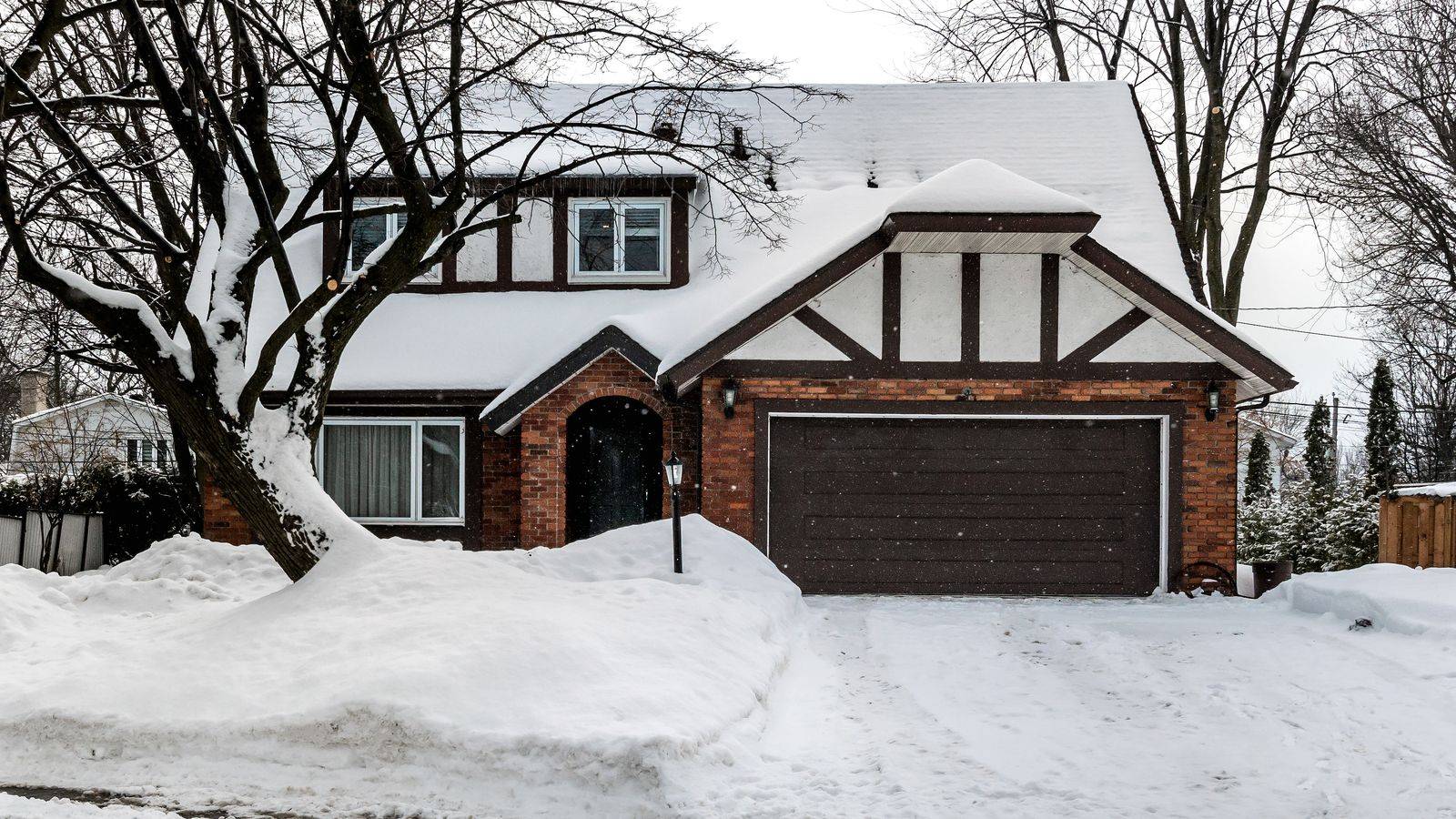
Many older, detached garages and converted carriage houses around Pennsburg and East Greenville have no pedestrian door at all, which makes an exterior release kit less of a nice-to-have and more of a necessity. Keeping a spare key somewhere other than inside the garage rounds out the setup, since a spare key you can’t reach doesn’t do much good.
Regular maintenance catches most of this before it becomes a lockout, and it’s part of every service call. Bob McCarty Jr. has run Valley Lock & Door since 2011 and has worked in the trade for more than 25 years, checking T-handle cylinders and release cables for corrosion and wear as routine. Both deteriorate silently until the day they fail.
If you’re locked out right now, call (267) 923-5759, and our team will walk you through it or come open it for you. If you’re getting ahead of the next one, request a free estimate on an emergency release kit or a battery backup garage door opener.
Pete Dreibelbis
“One of the best companies around did a excellent on my garage door employees are very professional so is the office and owner I would recommend them for any door or lock u need replaced or fixed”
Valley Lock & Door is PA HIC #PA084709, licensed and insured, with a 4.9-star average across more than 360 Google reviews from homeowners across Montgomery, Bucks, Berks, Chester, Delaware, Lehigh, and Northampton counties.
